Colombia |
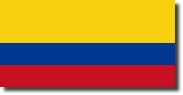 |
|||||||
Visiting Countries and Communities |
||||||||
 |
|
|
|
|
|
|
|
|
A Visitors Short Guide to Colombia |
||
|
|
|
|
|
Introduction to ColombiaNot long ago, Colombia sounded like a scary country to even consider visiting. This was due to civil unrest, and high crime rates, largely caused by the dominance of the illegal drug production and distribution industry.This had quite a stranglehold on parts of the country for a number of years. But things have changed for the better in recent times. Now, things are different. Visitor numbers have grown and you'll soon see why when you visit. Colombia was always a land of immense diversity and beauty. Known for its vibrant culture, lush landscapes, and warm hospitality, Colombia is often regarded as one of the most exciting and rewarding destinations in South America. The country's geography offers everything from tropical beaches along the Caribbean and Pacific coasts to the towering Andes mountains, and from Amazonian rainforests to coffee plantations on fertile plains. A trip to Colombia promises an array of experiences, from wandering the cobblestone streets of colonial towns to trekking through lush national parks and exploring modern urban centers. Read a brief history of Colombia here, to give yourself a little historical background - it's a short read - 10 minutes or so!
Why Visit Colombia?Cultural Richness: Colombia is the birthplace of many iconic figures, including Nobel Prize-winning author Gabriel García Márquez and legendary singer Shakira. Its cities, such as Bogotá, Medellín, and Cartagena, offer a unique blend of colonial charm and modern vibrancy. Natural Wonders: With over 59 national parks, stunning biodiversity, and incredible natural landscapes, Colombia is a dream destination for nature lovers. Authentic Experiences: Enjoy the famous Colombian coffee, dance to the rhythm of salsa and cumbia, or participate in one of the country’s many colorful festivals. Welcoming People: Colombians are famously hospitable, often referred to as some of the friendliest people in the world. This guide will take you through the best places to visit, practical travel tips, and unique cultural insights for your trip to Colombia.
Geography and Climate
Colombia is divided into six major regions, each with its own climate, culture, and attractions: Andean Region: The backbone of Colombia, featuring Bogotá, Medellín, and the Coffee Triangle. The Andes mountain range runs through this region, offering beautiful valleys, volcanoes, and highlands. Caribbean Region: Home to vibrant coastal cities like Cartagena and Santa Marta, with stunning beaches, historic fortresses, and access to the Sierra Nevada mountains. Pacific Region: A remote and biodiverse region, known for its rainforests, humpback whale-watching, and Afro-Colombian culture. Orinoquía Region: Also known as Los Llanos, this flat grassland region is perfect for eco-tourism, wildlife safaris, and cowboy culture. Amazon Region: A lush tropical rainforest that makes up part of the greater Amazon Basin, full of exotic wildlife and indigenous communities. Insular Region: Includes Colombia's offshore islands, such as the popular tourist destination San Andrés and Providencia. ClimateColombia’s climate varies greatly depending on the region and altitude:
Coastal and Lowland Areas: Tropical climate with high humidity and year-round temperatures between 24-30°C (75-86°F). Andean Region: Cooler temperatures, with Bogotá averaging 14°C (57°F), while Medellín is known for its "eternal spring" with temperatures around 22°C (72°F). Amazon Rainforest: Warm, humid, and rainy throughout the year. The best time to visit depends on the region and your preferences. The dry seasons from December to March and July to August are popular times for travel, especially for outdoor activities.
Top Destinations in ColombiaBogotá – The Vibrant CapitalAs Colombia's bustling capital, Bogotá is a city of contrasts, where the colonial charm of the historic Candelaria district meets modern skyscrapers. It's an ideal starting point for visitors.
What to See in Bogotá: La Candelaria: Bogotá's historic center, with colorful houses, cobblestone streets, and landmarks like the Gold Museum (Museo del Oro) and Botero Museum. Monserrate Hill: Offers panoramic views of the city and can be reached by cable car or funicular. Plaza Bolívar: The main square surrounded by important government buildings and the grand Bogotá Cathedral. Zona Rosa: Bogotá’s upscale district for dining, shopping, and nightlife.
Things to Do In Bogotá: Bike Tour: Bogotá is bike-friendly with dedicated lanes and cycling tours that offer a unique perspective of the city. Usaquén Market: A lively Sunday market with artisanal crafts, food, and live music.
Cartagena – A Coastal Jewel Cartagena, a UNESCO World Heritage site, is one of the most iconic cities in Colombia, known for its walled Old Town, Spanish colonial architecture, and Caribbean beaches.
What to See in Cartagena: Old Town (Ciudad Amurallada): Wander through colorful streets lined with bougainvillea-covered balconies and historic landmarks like the Palace of the Inquisition. Castillo San Felipe de Barajas: A massive fortress that once protected Cartagena from pirate attacks. Getsemaní: A hip, artistic neighborhood filled with murals, cafes, and nightlife.
Things to Do in Cartegena: Boat Trip to Rosario Islands: Just off the coast of Cartagena, these islands offer pristine beaches and excellent snorkeling. Sunset at Café del Mar: A popular spot on the city walls for drinks with a view of the Caribbean Sea.
Medellín – The City of Eternal Spring Once infamous for its troubled past, Medellín has transformed into one of Colombia’s most progressive and innovative cities. Set in the Aburrá Valley, it enjoys a pleasant climate year-round.
What to See in Medellín: Comuna 13: Known for its vibrant street art and history, this neighborhood offers an inspiring story of resilience. Botero Plaza: Filled with oversized sculptures by Medellín-born artist Fernando Botero. Pueblito Paisa: A replica of a traditional Antioquian village with panoramic views of the city.
Things to Do in Medellín: Ride the Metrocable: Medellín’s aerial cable car offers stunning views of the city and easy access to Parque Arví, a lush nature reserve. Visit the Museo de Antioquia: A museum showcasing a large collection of Botero’s work, along with contemporary Colombian art.
Cocora Valley and the Coffee Triangle The Coffee Triangle (Eje Cafetero) is made up of three main departments: Caldas, Quindío, and Risaralda. This region is known for its rolling hills, coffee farms, and iconic wax palms.
What to See: Cocora Valley: Famous for its towering wax palms, Colombia’s national tree, this lush valley offers great hiking opportunities. Coffee Fincas: Visit a coffee farm to learn about Colombia’s coffee-making process, from bean to cup.
Things to Do: Salento: A charming town that serves as the gateway to the Cocora Valley, known for its colorful buildings and artisan shops. Thermal Springs of Santa Rosa: Relax in these natural hot springs surrounded by waterfalls and tropical landscapes.
Santa Marta and Tayrona National Park Santa Marta is the gateway to the stunning Tayrona National Park, where the Sierra Nevada mountains meet the Caribbean Sea.
What to See in the area: Tayrona National Park: Explore pristine beaches, jungle hikes, and ancient indigenous ruins. Popular beaches include Cabo San Juan and La Piscina. Lost City (Ciudad Perdida): A challenging trek through the jungle to the ruins of an ancient Tayrona city, older than Machu Picchu.
Things to Do: Minca: A small village in the mountains near Santa Marta, known for its eco-lodges, waterfalls, and coffee farms. Scuba Diving: The crystal-clear waters off the coast of Taganga and nearby beaches offer great opportunities for diving and snorkeling.
Colombian Culture and TraditionsMusic and Dance Colombia’s rich musical heritage reflects its diverse cultural history. Music is an integral part of daily life, and Colombians love to celebrate with rhythms ranging from salsa to vallenato and cumbia. Salsa: Particularly popular in Cali, known as the "Salsa Capital of the World." Visitors can take salsa classes and enjoy live music in the city's many dance clubs. Cumbia: A traditional Colombian dance and music style that blends Indigenous, African, and Spanish influences. Vallenato: Originating from the Caribbean coast, vallenato is a folk music genre that tells stories of everyday life, often played with an accordion.
Festivals and Events in ColombiaColombia is known for its colorful and lively festivals that showcase the country’s rich traditions:
Barranquilla Carnival: One of the most famous carnivals in Latin America, celebrated with parades, music, and dances. It's a UNESCO-recognized event held every February. Feria de las Flores (Flower Festival): Held in Medellín every August, this festival features the iconic "Silleteros" parade, where locals carry massive flower arrangements on their backs. Festival Iberoamericano de Teatro: Taking place in Bogotá every two years, this is one of the world’s largest theater festivals, attracting performers from across the globe.
Colombian CuisineColombian cuisine is as diverse as its landscapes. Each region has its own distinct flavors and specialties:
Ajiaco: A traditional soup from Bogotá, made with chicken, potatoes, corn, and a special herb called guasca. Bandeja Paisa: A hearty dish from the Antioquia region, consisting of rice, beans, ground beef, fried egg, plantain, avocado, and arepa. Arepas: A popular snack or side dish throughout Colombia, arepas are cornmeal cakes that can be grilled or fried and are often served with cheese or eggs. Don’t miss trying Colombian coffee, often regarded as some of the best in the world. Coffee culture is strong in Colombia, and visitors to the Coffee Triangle can tour plantations to learn about the cultivation and production process.
Practical Information for visiting ColombiaVisa and Entry Requirements Most visitors, including those from the US, EU, Canada, and Australia, do not need a visa for stays of up to 90 days. However, it’s always best to check with the Colombian embassy or consulate before traveling to ensure you have the correct documentation.
Currency The currency of Colombia is the Colombian Peso (COP). ATMs are widely available in cities and towns, and credit cards are accepted at most hotels and restaurants, though smaller, local establishments may only accept cash.
Getting Around Domestic Flights: Colombia is a large country, and flying between major cities is often the most convenient way to travel. Domestic airlines such as Avianca and Viva Air offer frequent flights. Buses: Colombia has an extensive bus network, connecting cities and regions. Companies like Expreso Brasilia and Bolivariano offer long-distance routes, while smaller buses serve rural areas. Taxis and Ridesharing: Taxis are available in all major cities. Make sure the taxi has a meter, or negotiate the fare in advance. Ridesharing services like Uber and DiDi operate in cities like Bogotá and Medellín.
Safety Tips Colombia has made significant strides in improving safety for travelers, but it’s still important to remain cautious:
Conclusion Colombia is a country that promises adventure, culture, and unforgettable experiences. From its bustling cities to its tranquil beaches and remote jungles, Colombia offers something for every type of traveler. The warmth of its people, the richness of its history, and the beauty of its landscapes will make any trip to Colombia a remarkable one. Whether you're exploring ancient ruins, sipping coffee in a mountaintop hacienda, or dancing the night away in a Caribbean coastal town, Colombia will leave you with a lifetime of memories. |
||
|
|
|
COLOMBIA INFORMATION FOR VISITORS VISIT.CO.COM - VISITING COUNTRIES AND COMMUNITIES |
|
|
|
|
|
|
|